Other
Introduction
Roads are the lifelines of modern civilization, facilitating the movement of people, goods, and services across vast distances. As populations grow, urbanization accelerates, and economic activities expand, the demand for efficient and sustainable road infrastructure continues to rise. In this blog post, we will explore the strategies and initiatives driving road development for sustainable infrastructure growth, highlighting the importance of innovation, collaboration, and environmental stewardship in paving the way to a better future.
Integrated Planning and Design
At the heart of sustainable road development lies integrated planning and design that takes into account a wide range of factors, including traffic flow, safety, environmental impact, and land use. By adopting a holistic approach that considers the needs of all stakeholders, from commuters to local communities, planners can create road networks that are efficient, safe, and environmentally friendly. Moreover, incorporating principles of smart growth, such as mixed land use and transit-oriented development, can minimize sprawl, reduce congestion, and promote sustainable urbanization.
Embracing Green Technologies
Green technologies play a crucial role in sustainable road development, offering innovative solutions to reduce environmental impact and enhance energy efficiency. From eco-friendly pavement materials to energy-efficient lighting and traffic signals, incorporating green technologies can significantly reduce carbon emissions and resource consumption. Furthermore, renewable energy sources, such as solar-powered streetlights and electric vehicle charging stations, can help transition road infrastructure towards a more sustainable and resilient future.
Prioritizing Safety and Accessibility
Safety and accessibility are paramount considerations in road development, ensuring that transportation networks are inclusive, equitable, and accessible to all users, regardless of age, ability, or mode of transport. Investing in pedestrian-friendly infrastructure, such as sidewalks, crosswalks, and bike lanes, promotes active transportation and reduces reliance on cars, thereby improving public health and reducing traffic congestion. Additionally, incorporating universal design principles into road infrastructure, such as curb ramps and tactile paving, enhances accessibility for individuals with disabilities, fostering a more inclusive society.
Leveraging Data and Technology
Data-driven decision-making and technology integration are transforming road development, enabling more efficient planning, design, construction, and maintenance processes. Advanced analytics, artificial intelligence, and predictive modeling can help identify traffic patterns, optimize route planning, and prioritize infrastructure investments for maximum impact. Moreover, Intelligent Transportation Systems (ITS), such as real-time traffic monitoring and smart signaling, enhance safety, reduce congestion, and improve overall system performance.
Sustainable Construction Practices
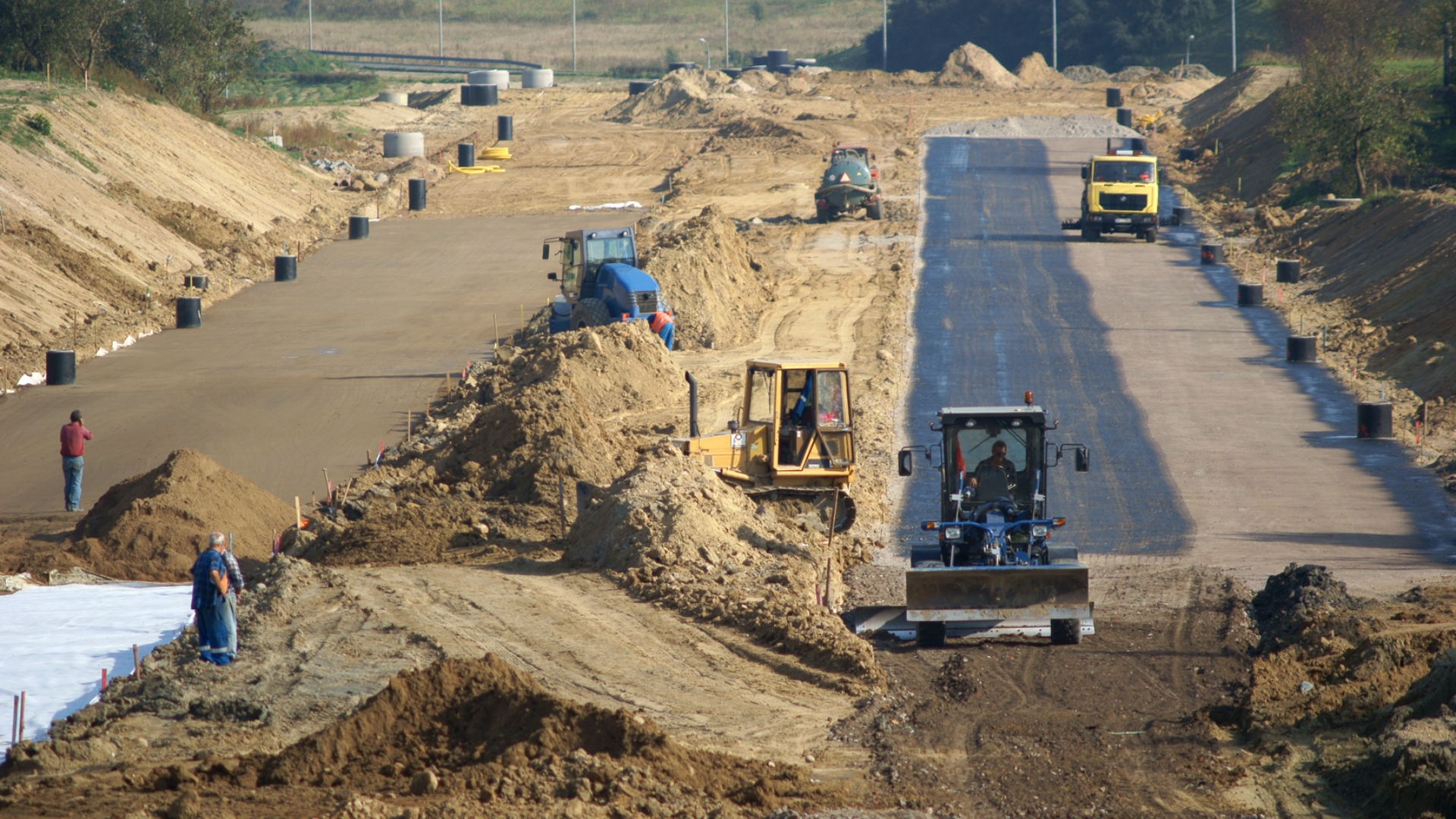
Sustainable construction practices are essential for minimizing the environmental footprint of road development projects and reducing their impact on natural resources and ecosystems. Using recycled materials, such as reclaimed asphalt pavement (RAP) and recycled concrete aggregate (RCA), conserves valuable resources and reduces waste generation. Additionally, adopting low-impact construction techniques, such as minimizing soil disturbance and controlling sediment runoff, mitigates environmental degradation and protects sensitive habitats during construction activities.
Community Engagement and Public Participation
Community engagement and public participation are integral to the success of road development projects, ensuring that the voices and concerns of local residents are heard and addressed throughout the planning and implementation process. By fostering open dialogue, soliciting feedback, and involving communities in decision-making, planners can build consensus, enhance project transparency, and promote social equity. Furthermore, incorporating participatory design approaches, such as community charrettes and design workshops, empowers residents to actively shape the future of their neighborhoods and transportation systems.
Resilience and Adaptation
In an era of climate change and extreme weather events, resilience and adaptation are essential considerations in road development planning and design. By integrating climate resilience strategies, such as green infrastructure and flood-resistant design, planners can minimize the risk of infrastructure damage and disruption caused by flooding, storms, and other natural disasters. Moreover, adopting flexible design standards and future-proofing infrastructure investments can ensure that road networks remain functional and resilient in the face of evolving environmental and socioeconomic challenges.
Conclusion
Sustainable road development is not just about building infrastructure; it’s about shaping the future of transportation in a way that is equitable, efficient, and environmentally responsible. By embracing integrated planning and design, leveraging green technologies, prioritizing safety and accessibility, harnessing data and technology, adopting sustainable construction practices, engaging communities, and enhancing resilience and adaptation, we can pave the way to a more sustainable and prosperous future for generations to come. As we continue to navigate the complexities of urbanization and transportation, let us strive to build roads that not only connect us physically but also unite us in our shared vision of a better world.